In 2011, Foster the People released their debut album, Torches. To my ear, it continued a decade-long trend of very good music reviving ’80s aesthetics. Breakout hit “Pumped Up Kicks” had a neo-psychedelic flair that would have been right at home on the English or Australian charts of the decade. “Helena Beat” and “Call It What You Want” proved frontman Mark Foster and his collaborators had a knack for this strain of psychedelic pop.
I discovered Foster the People at Liberation Dance Party, the weekly Friday night video celebration hosted by DC9. (DC9 honcho Bill Spieler booked them for their first-ever DC show at The Red Palace way back in 2011.) But it took me a bit to see them perform live. I first saw the band at the Sweetlife Festival (the one co-headlined by Lana Del Rey) in 2014. Then I saw them again at All Things Go in 2017. I thought well of both performances, but neither necessarily left a big impression.
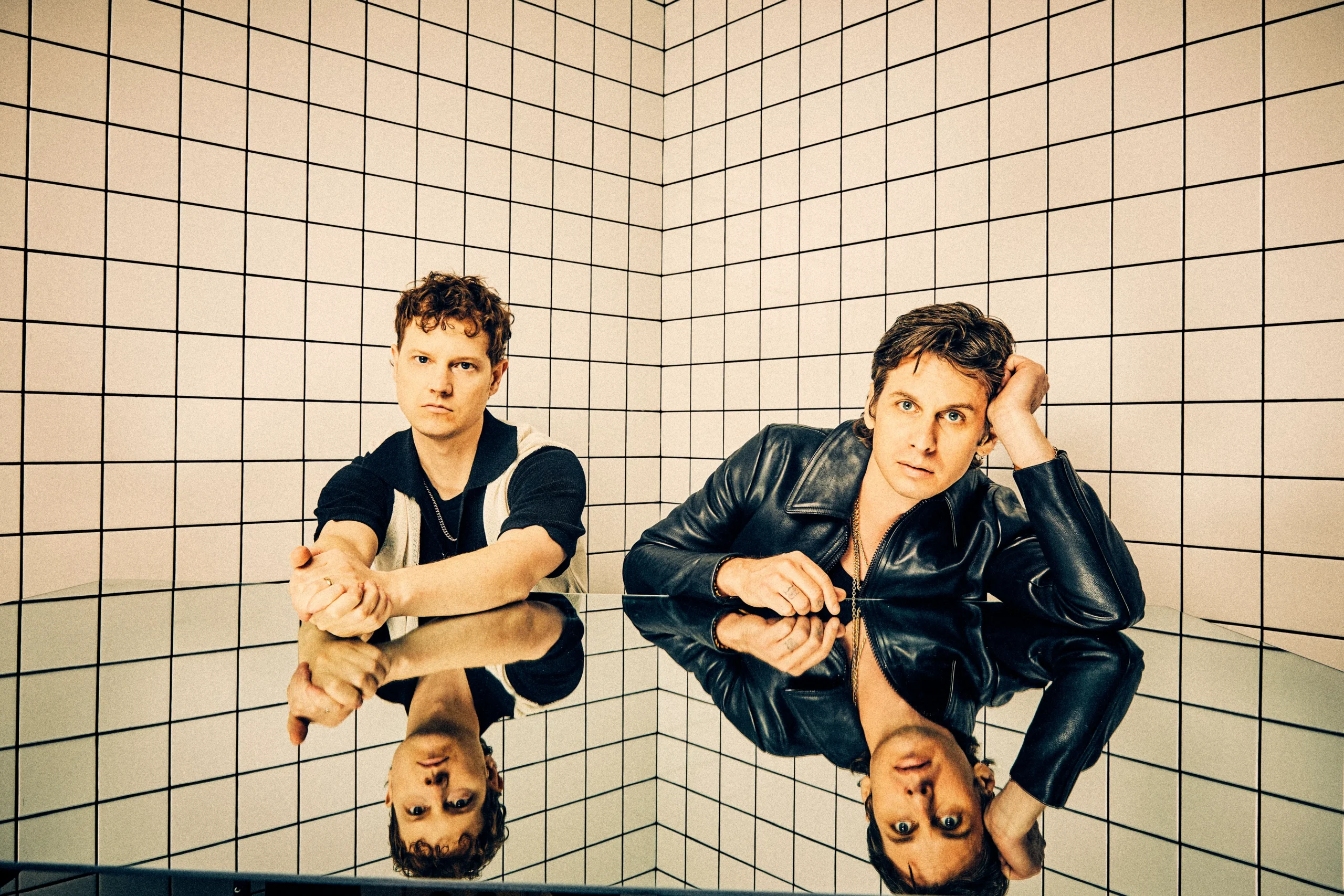
Fast-forward to Foster the People’s date on the Good Mourning Sunshine Tour at The Anthem on Oct. 7, and I’m now a believer. Along the way, original members Cubbie Fink and Mark Pontius departed, leaving Foster and longtime keyboardist Isom Innis at the band’s core, supported by a touring lineup. And I was quite pleasantly surprised at how much Foster channeled one of his musical heroes — namely, David Bowie.
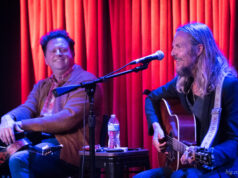
The Bowie resemblance slowly crept into my head midway through the show during “Goats in Trees,” a song from the band’s second album, Supermodel. Sitting with a guitar, Foster sang in a rich, lower register that brought to mind Bowie’s distinctive vocal timbre and relaxed manner in his acoustic performances. It was an intimate performance that revealed a different side of the singer behind such buoyant pop songs as “Pumped Up Kicks.”
Watch the official music video for “Pumped Up Kicks” by Foster the People on YouTube:
Foster named Bowie among his musical inspirations as early as 2011, and in 2024 praised him as one of the greatest producers ever. And the show certainly exhibited a certain Bowie spirit. Foster made some of the best use of The Anthem’s big digital screens that I’ve ever seen, directing a mobile camera around the stage, singing directly into it, and capturing other action in the venue to project onto the screen. The results were dynamic and artistic rather than the smash-and-grab impact you might expect from a roving camera. Bowie surely would have approved.
Without a new studio album since 2024’s Paradise State of Mind, I didn’t necessarily expect Foster the People to draw a large crowd, but again Foster defied my expectations and solidly packed The Anthem. He did so largely on the strength of Torches-era material, which made up about half the show. The crowd was grooving from the start with opening numbers “Life on the Nickel” and “Helena Beat.” During “Helena Beat,” Foster paced the stage in front of a set that looked like the exterior of a house and turned to shake his butt in a playful dance move. On the big screen behind the band, he appeared against a blue sky above the house.
Foster the People performed only two songs from Paradise State of Mind: “Lost in Space” near the middle of the show and “A Diamond to Be Born” to cap the main set before the encore. The audience loved them both, and the songs kept the energy flowing throughout The Anthem. The band leaned into the trippiness of “Lost in Space,” using the big screen to wrap themselves in wavy pastel outlines reminiscent of an ’80s music video.
Watch the official music video for “Lost in Space” by Foster the People on YouTube:
Foster and his band closed the show with the one-two-three punch of “Ruby,” “Sit Next to Me,” and “Pumped Up Kicks,” digging into some of their most potent numbers to wrap the night. The audience, which cheered enthusiastically and danced its heart out, had no complaints.
For me, the real revelation wasn’t hearing all those familiar songs again. It was discovering just how much of a showman Foster has become. Given the size of the crowd that night, clearly I was one of the last to get the memo.